
Disclaimer: Always select exercises within your ability. Honor the principle of progressive overload and don’t do too much too soon. If you are unsure about any of this, seek out advice from a personal trainer or other exercise professional.
Warm Up 10-15:00 Minutes of 6-10 movements
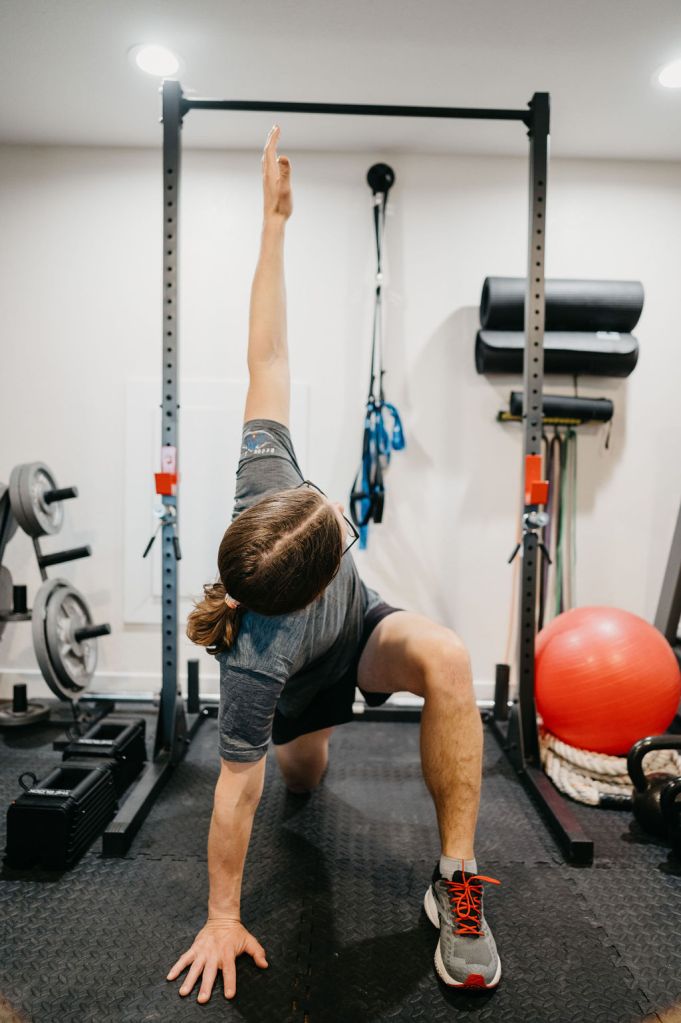
Purpose: dynamic movements, improve range of motion. 2 priorities:
major muscle groups, especially ones you will target in strength.
Chronic problem areas. ie: tight upper back, poor range of motion at the ankle, etc.
Examples:
Thread the needle
Lizard Rocks
Adductor Rocks
Walking Lunges
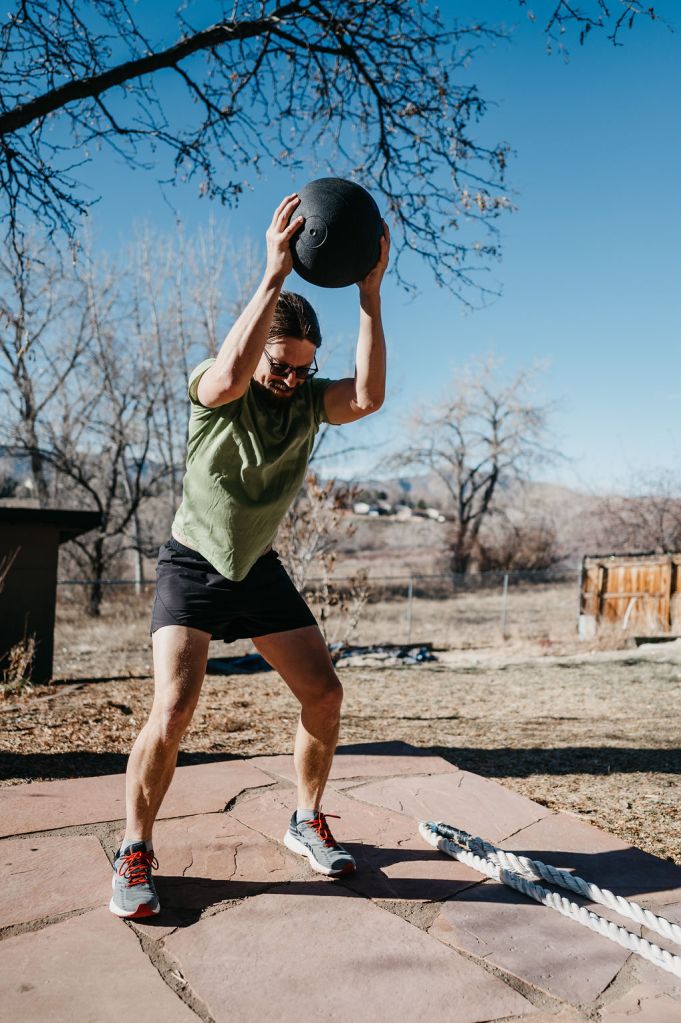
Power or Plyometrics 2 Sets of 6-8 repetitions
Purpose: produce max force, max speed, or elasticity with light weight or bodyweight. Repetitions stay pretty low for the purpose of keeping quality.
Examples: Box jump; pick a height that is challenging, requiring you to apply a lot of force, but doable. If you are able to do 10-15 reps, you could most likely jump higher.
Other examples: push press, pogos, skaters, or DB snatch.
Strength 1
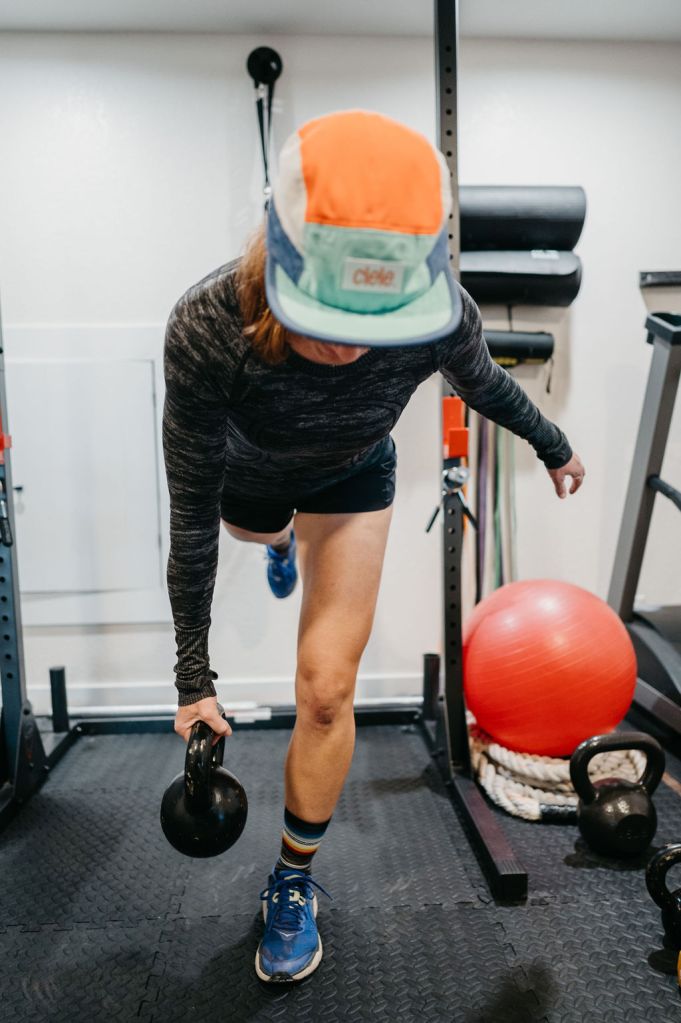
Purpose: sets and repetitions vary depending on your goals and lifting experience. If you are newer to lifting weights then 3 sets of 8-12 repetitions is a great place to start. If you have been lifting for a while then you can tailor the specifics to your goals.
For strength development: 2-6 sets of 6 or less reps
For hypertrophy: 3-6 sets of 6-12 reps
For muscular endurance: 2-3 sets of 12 or more reps
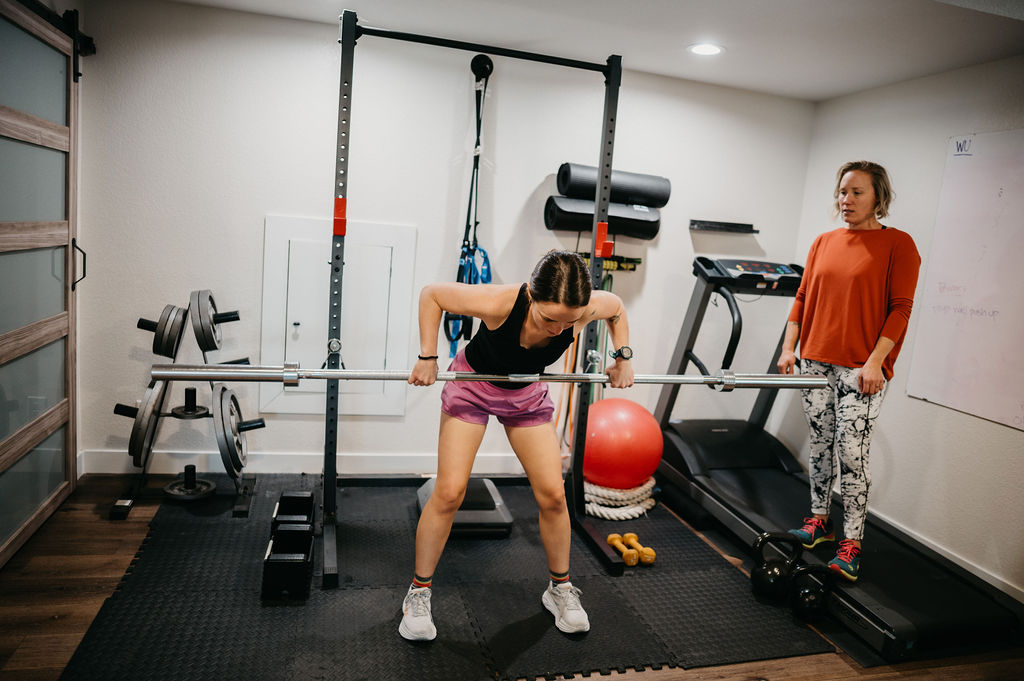
Types of movements to include: a squat, hinge, upper body push, upper body, pull, core, and locomotion or rotational movement.
Example of Strength 1:
1a. DB squat (squat)
1b. Push up (upper body push)
1c. Plank (core)
Run through one set of each of these exercises with 30 seconds rest between each. Rest 1-2 minutes at the end of set 1, then repeat.
Strength 2
Purpose: The second strength set will include the movement patterns not done in strength set 1. There are numerous ways to arrange exercises depending on your goals and needs. That is where the fun comes in! Or seeking out professional help.
Example of Strength 2:
2a. KB deadlift (hinge)
2b. Assisted pull up (upper body pull)
2c. Bear crawls (locomotion)
Conditioning or Finishers

Conditioning: provide an aerobic stimulus because sometimes it is nice to finish with a sweat, or develop more muscular endurance. Conditioning can also include high intensity circuits which are great for managing body composition, healthy heart, and developing strong bones if including jumping in the routine.
Examples:
walk/sprint intervals on treadmill. 1:00 warm up 5x :30 sprint, :30 walk. 1:00 walk cool down
Circuit training: :30-:45 second of each with :15 seconds rest. Jumping jacks, box jumps, skaters, plank shoulder taps, and floor slams.
Note: some power exercises have overlap with conditioning exercises, like a box jump. When doing them at the end of a routine, pick a weight or height that is easily repeatable since you are doing this for higher repetitions and are fatigued from other work done up till this point. This is not the time to go for your highest box jump or heaviest clean.
Finishers are a specific set of exercises selected to burn out a muscle group. This is a great option if you have a particular weakness or want to develop more muscle in that area.
Example: Glute Burn! 15-20 reps of the following, no rest between exercises
Barbell hip thrusts, select 6/10 weight
Bodyweight hip thrusts
Weighted bridge, select 6/10 weight
Bodyweight bridge
Cool Down
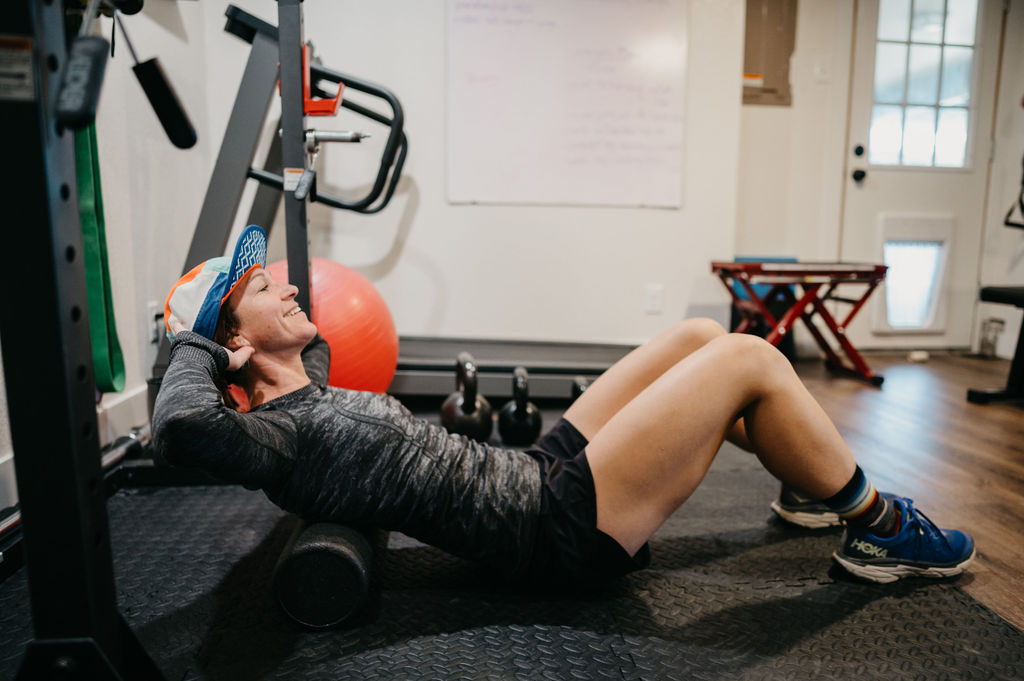
Purpose: Return body to level of homeostasis. Spend 60 seconds stretching all major muscle groups, specifically ones you targeted during your workout. Foam rolling is another great way to cool down.
Examples: quad stretch, pigeon, downdog, hamstring stretch, foam roll quads, glutes, calves, and use a lacrosse ball on the wall for upper back and shoulders.
Viola! You have built your own kick ass workout. There are numerous ways to select exercises and movements within this framework. That is the art of training. If you need help tailoring this to your needs and goals, seek out the help of an exercise professional.

 Blaze Strength and Endurance