How to Create A Full Body Workout

Disclaimer: Always select exercises within your ability. Honor the principle of progressive overload and don’t do too much too soon. If you are unsure about any of this, seek out advice from a personal trainer or other exercise professional. 

Warm Up 10-15:00 Minutes of 6-10 movements
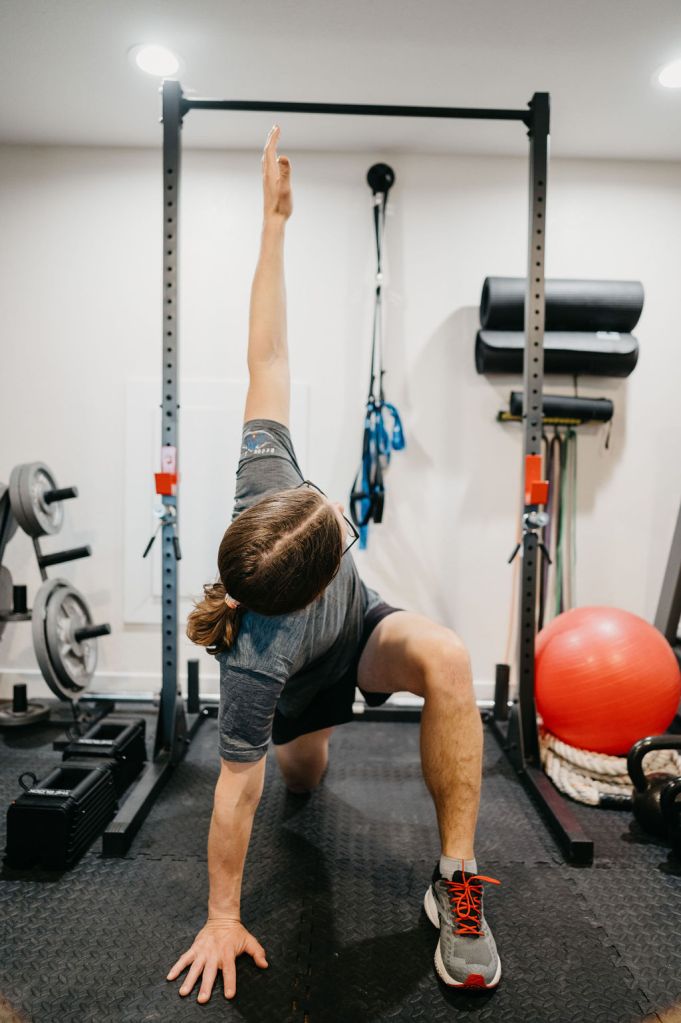
Purpose: dynamic movements, improve range of motion. 2 priorities:
major muscle groups, especially ones you will target in strength.
Chronic problem areas. ie: tight upper back, poor range of motion at the ankle, etc.

Examples:
Thread the needle
Lizard Rocks
Adductor Rocks
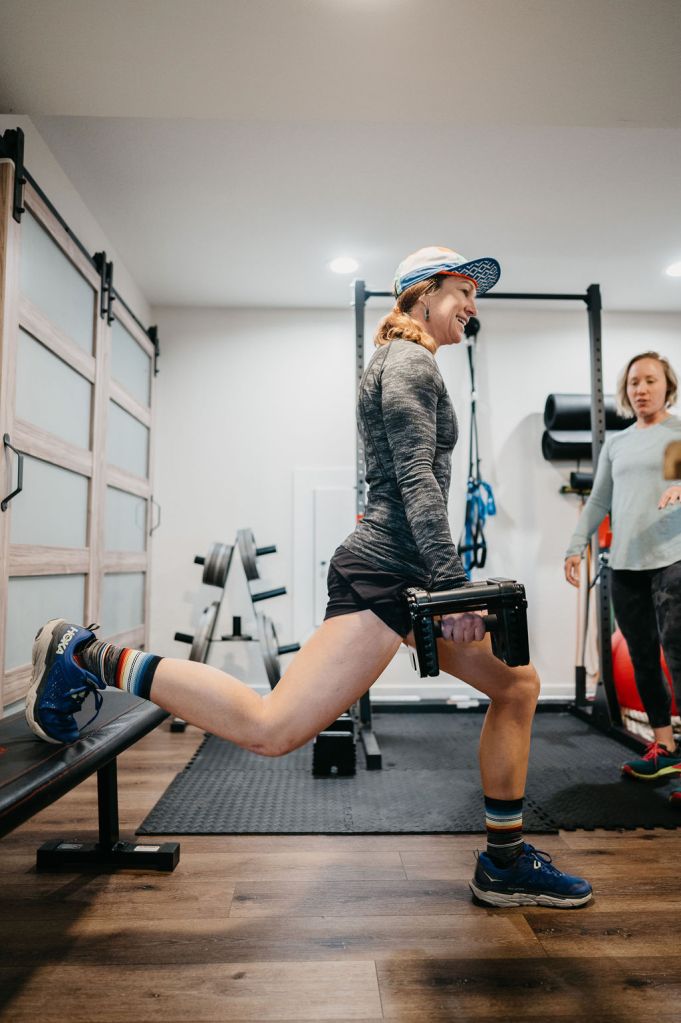
Walking Lunges

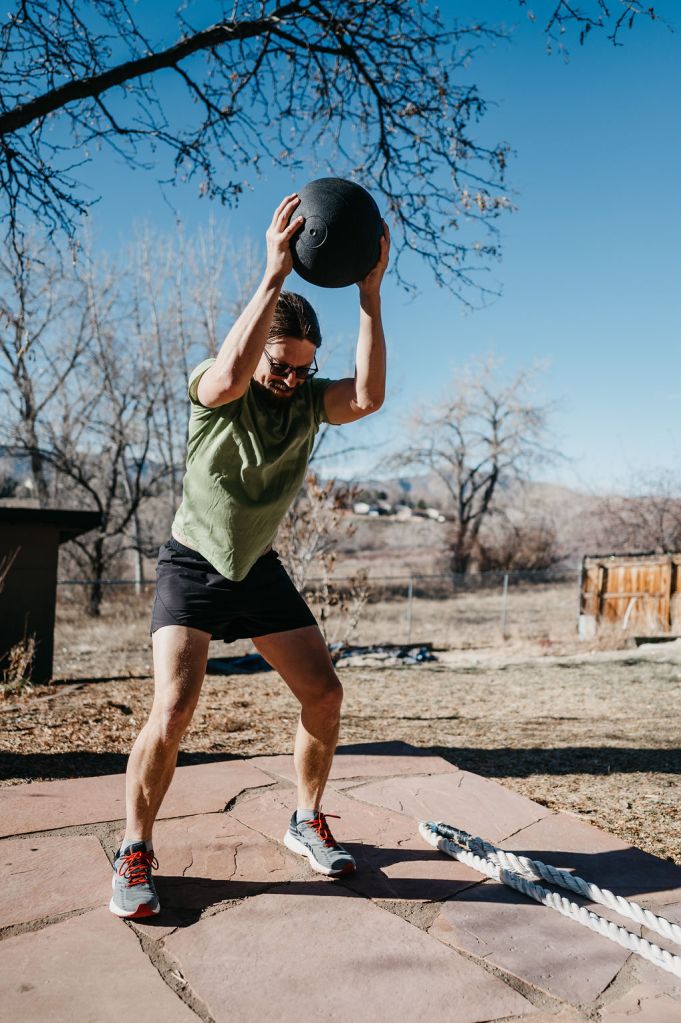
Power or Plyometrics 2 Sets of 6-8 repetitions

Purpose: produce max force, max speed, or elasticity with light weight or bodyweight. Repetitions stay pretty low for the purpose of keeping quality. 

Examples: Box jump; pick a height that is challenging, requiring you to apply a lot of force, but doable. If you are able to do 10-15 reps, you could most likely jump higher. 

Other examples: push press, pogos, skaters, or DB snatch.
Strength 1
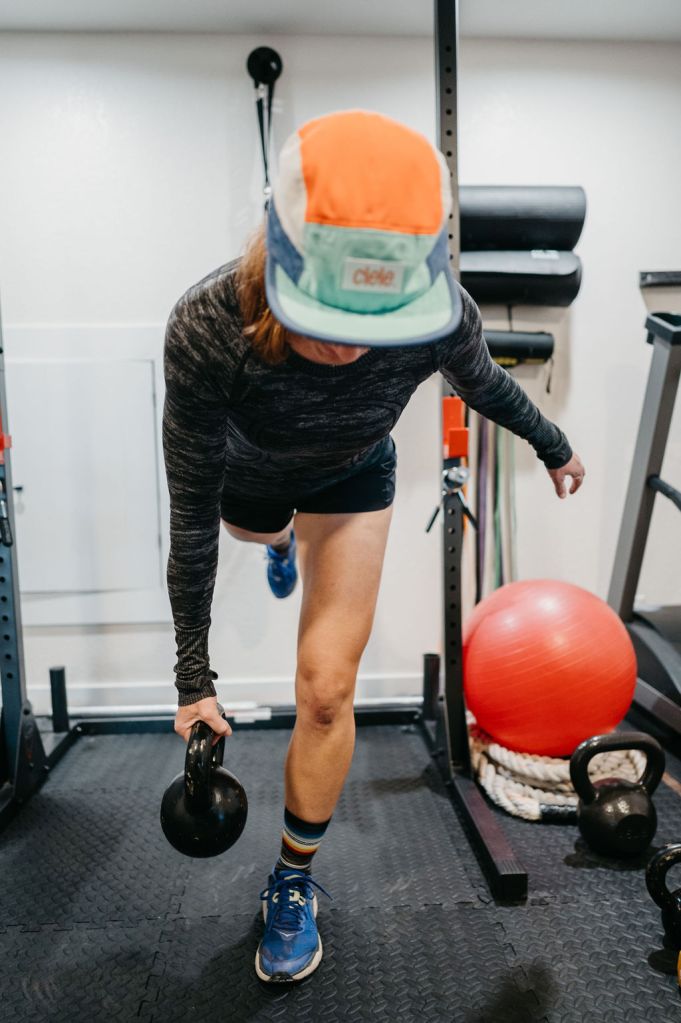
Purpose: sets and repetitions vary depending on your goals and lifting experience. If you are newer to lifting weights then 3 sets of 8-12 repetitions is a great place to start. If you have been lifting for a while then you can tailor the specifics to your goals.


For strength development: 2-6 sets of 6 or less reps
For hypertrophy: 3-6 sets of 6-12 reps
For muscular endurance: 2-3 sets of 12 or more reps


Types of movements to include: a squat, hinge, upper body push, upper body, pull, core, and locomotion or rotational movement.

Example of Strength 1:
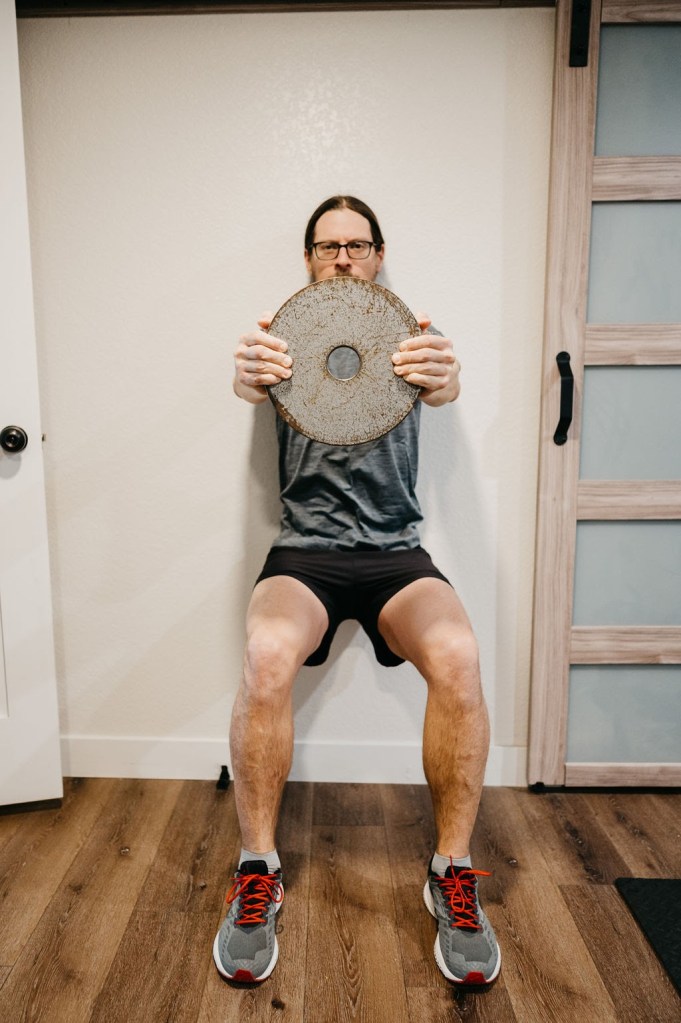
1a. DB squat (squat)
1b. Push up (upper body push)
1c. Plank (core)
Run through one set of each of these exercises with 30 seconds rest between each. Rest 1-2 minutes at the end of set 1, then repeat.

Strength 2

Purpose: The second strength set will include the movement patterns not done in strength set 1. There are numerous ways to arrange exercises depending on your goals and needs. That is where the fun comes in! Or seeking out professional help. 

Example of Strength 2:

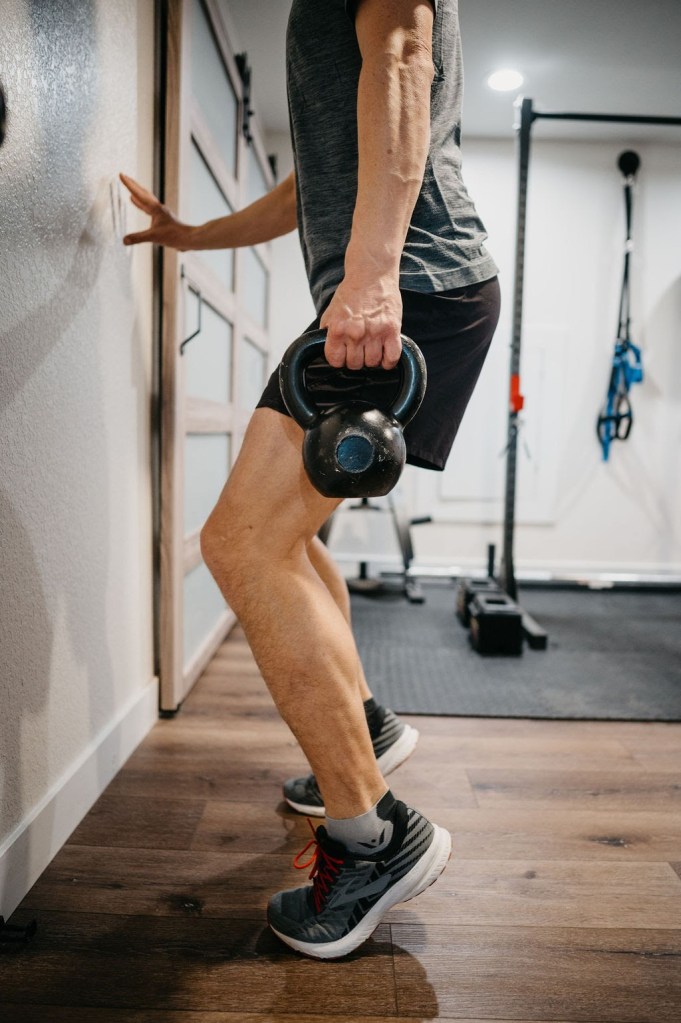
2a. KB deadlift (hinge)

2b. Assisted pull up (upper body pull)

2c. Bear crawls (locomotion)
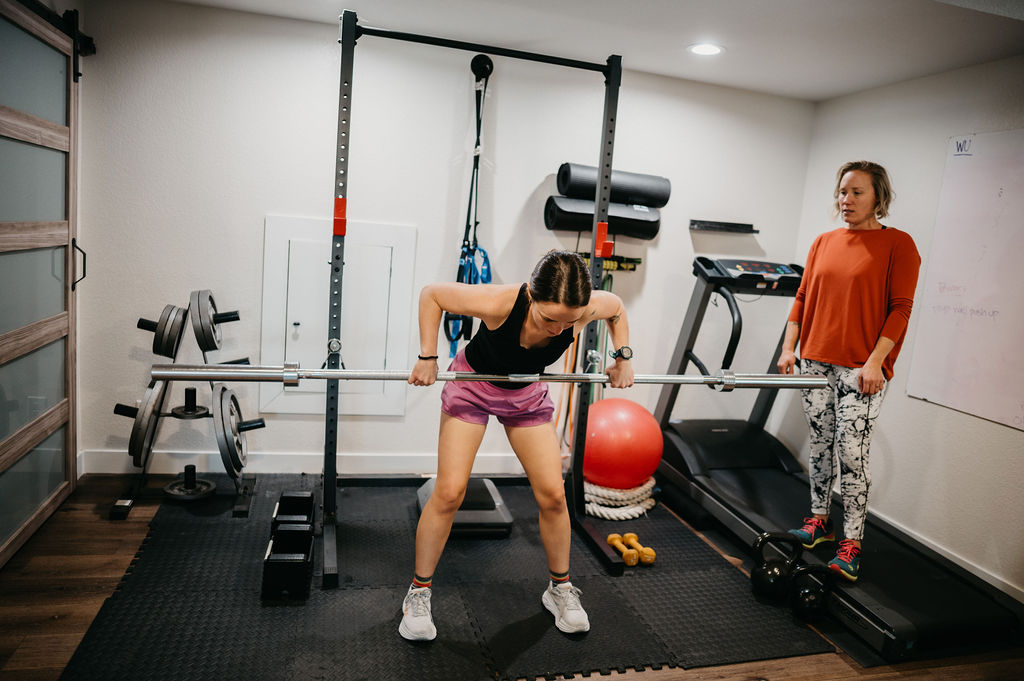
Conditioning or Finishers

Conditioning: provide an aerobic stimulus because sometimes it is nice to finish with a sweat, or develop more muscular endurance. Conditioning can also include high intensity circuits which are great for managing body composition, healthy heart, and developing strong bones if including jumping in the routine.
Examples:
walk/sprint intervals on treadmill. 1:00 warm up 5x :30 sprint, :30 walk. 1:00 walk cool down
Circuit training: :30-:45 second of each with :15 seconds rest. Jumping jacks, box jumps, skaters, plank shoulder taps, and floor slams.
Note: some power exercises have overlap with conditioning exercises, like a box jump. When doing them at the end of a routine, pick a weight or height that is easily repeatable since you are doing this for higher repetitions and are fatigued from other work done up till this point. This is not the time to go for your highest box jump or heaviest clean.

Finishers are a specific set of exercises selected to burn out a muscle group. This is a great option if you have a particular weakness or want to develop more muscle in that area.

Example: Glute Burn! 15-20 reps of the following, no rest between exercises
Barbell hip thrusts, select 6/10 weight
Bodyweight hip thrusts
Weighted bridge, select 6/10 weight
Bodyweight bridge

Cool Down

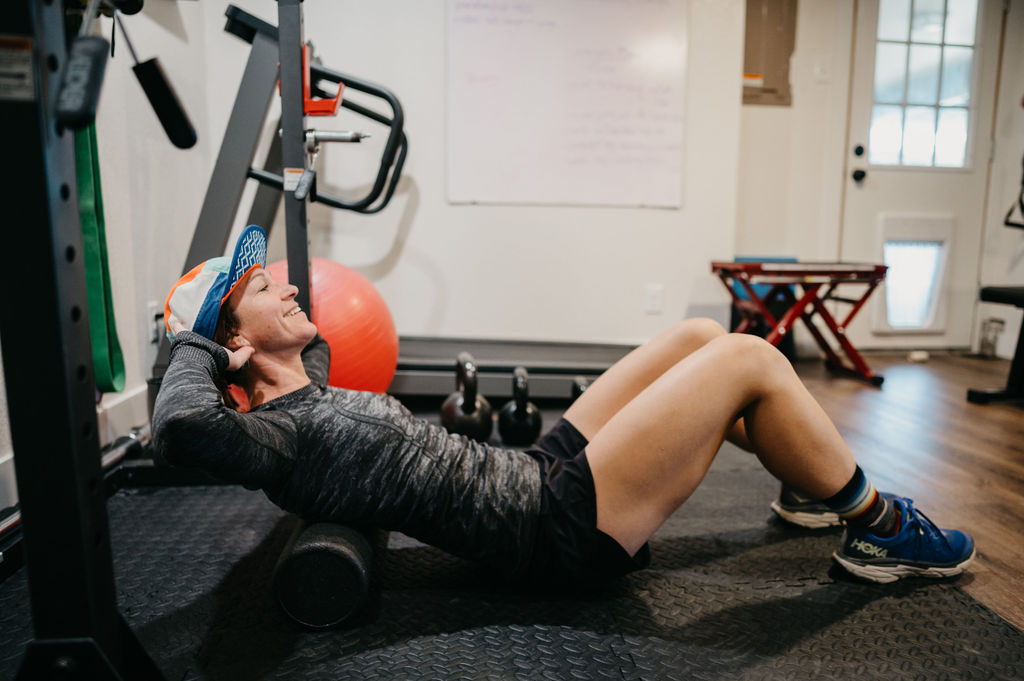
Purpose: Return body to level of homeostasis. Spend 60 seconds stretching all major muscle groups, specifically ones you targeted during your workout. Foam rolling is another great way to cool down. 

Examples: quad stretch, pigeon, downdog, hamstring stretch, foam roll quads, glutes, calves, and use a lacrosse ball on the wall for upper back and shoulders.
Viola! You have built your own kick ass workout. There are numerous ways to select exercises and movements within this framework. That is the art of training. If you need help tailoring this to your needs and goals, seek out the help of an exercise professional.

How to Lift Heavy

Lifting heavy weights is a great way to build muscle strength. It is particularly beneficial to women for a variety of reasons; increased metabolic rate, improved posture and stability, stronger bones, better blood pressure control, maintenance of healthy body composition, and decreased sick days. Dr. Stacy Sims is advocating this training modality in detail in both her books, Roar and Next Level. I highly recommend both. In this article, I want to detail action steps on how to start lifting heavy weights.

  1. Build a foundation. We can’t walk into the gym on day one a pick up the heaviest thing around. It’s just not smart for our muscles and tendons. Plan on it taking two or more months to build to heavy loads. If you are new to training, it could be helpful to seek out professional help on form or look in to videos and books on form basics. In the first 4-6 weeks of training, you can do 2-3 sets of 8-15 repetitions for each exercise.
  2. Focus on compound lifts for the heavy ones. Movements like squats, deadlifts, bent over row, and bench press that utilize multiple muscle groups at once. Once the load gets challenging you do not want to overly stress a joint or smaller muscle with exercises such as bicep curls or calve raises. For exercises like these use moderate weight and higher repetition ranges.

3. Add weight over time. Generally, you can add 2.5-5lb each week or each session. But ALWAYS listen to your body and go slow. Injuries are more likely to happen when we make drastic leaps in load, duration, or frequency. Take the long game with heavy lifting and build conservatively. After 4-6 weeks of regular lifting, you can decrease the repetitions as you keep adding weight.

4. Target 4-5 sets of 4-6 reps. You’re lifting heavy once you can perform 6 or LESS reps with good form and be challenged. An example workout of lifting heavy with additional accessory lifts would look like the following:

– Warm Up for 15 minutes with mobility and bodyweight movements
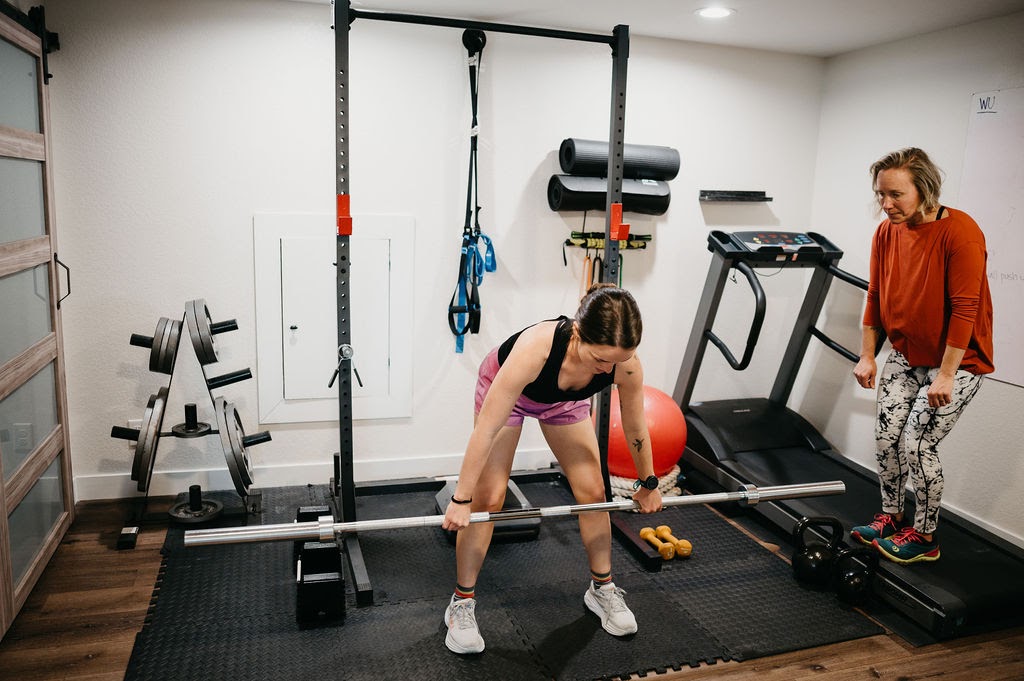
-Set 1: barbell deadlift 4×5
3 pt row 3×8
-Set 2: barbell bench press 4×5
lateral lunge 3×8
-Set 3: plank 3×30-45 seconds
calf raises 3×10
tricep extension 3×10

This is purely an example. I highly recommend seeking out professional advice from a personal trainer in order to get a workout specific to your needs and goals.

5 Early Season Training Considerations for Ultrarunners

The calendar has rolled over and most runners are planning and looking at events for the year. If you are racing at any point in the next 6-12 months, here are some things to think about now.

  1. Start training now. Fitness is your number one predictor to success in ultra running. And fitness takes time to build. There are no short cuts or hacks to being more cardiovascular fit. It takes weeks and months of consistent training. Even if you are looking at racing in Nov/ Dec, starting training now can help big time. In addition to building fitness, a long training season can give you more time to navigate the unexpected in training; vacations, sickness, or little injuries. It also gives you time to build slowly to allow for adaptations over time rather than ramping up too fast and causing injury or burnout.


2. Start your training with VO2max workouts. Ultra runners still need to do high intensity workouts in order to increase aerobic capacity. However, this intensity is least like race conditions so it is best to work on this physiology furthest from your event. Runners will still get a benefit from this type of training. In fact, it is how you can become a stronger, faster runner. Think of your fitness as a cup. That cup can only hold as much water as its size. The cup is our aerobic limits. And the water is pacing or effort levels within that cup. If we want to be able to hold faster paces with less effort, we need a bigger cup. VO2max workouts specifically help increase the size of our cup. An example of a early season VO2max workout would be 20 minutes at a comfortable pace, 5×2:00 max effort with 2:00 recovery, then 15-20 minutes cool down pace.

3. Plan a training camp 5-9 weeks out from your event. At the beginning of a season you have the advantage of looking ahead and blocking off 3-4 days in your calendar to devote to a training camp. It can be self led or in a group setting but either way it will provide huge benefits for race day. Training camps or a training weekend is so advantageous because it allows you to to focus only on running and recovery without the daily stressors of life. With other life stressors or daily responsibilities removed, you can spend more time and energy on running. In this scenario, some runners can expect to do 2-3x their regular volume. This increase in running volume provides a supercompensation effect and can greatly improve fitness, confidence, and race day readiness. Be sure to place a training camp no closure than 5 weeks out from race day. You want to allow yourself plenty of time to recover from this high dose of training and then gain the physiological benefits from it.

4. Match your nutritional needs with your training volume. Ultra runners expand big energy and need big energy input into the body. It easy to get behind or be unaware of how much you need. This can lead to chronic fatigue and poor performance. Being aware of nutritional demands early in the season gives you plenty of time to adjust intake and learn what keeps your fueled and feeling your best. I highly recommend Fly Nutrition if you need professional advice on how to eat specific to your needs.


5. Identify your weakness as they relate to your race or event. By identifying now what might be a limitations on race day allows you to work on them all throughout your training season. This could be technical trails, uphill running/hiking, or your nutrition. For example, let’s say you are training for a race or event with a lot of vertical gain and you know that you historically don’t do as well on routes with lots of climbing. You can plan more hiking and hills into your training week by 1) choosing course like routes for long runs and 2) add intentional hiking sections into a run. Being aware of your weakness allows you to incorporate them into every training week so by race day they are not as much of a limitation.

Ultra marathons are a big task, demanding a lot of time on feet and months of solid training. By thinking about a these key things at the beginning of your training you can set yourself up to be more prepared on race day. Hope these help! Be strong and thrive!